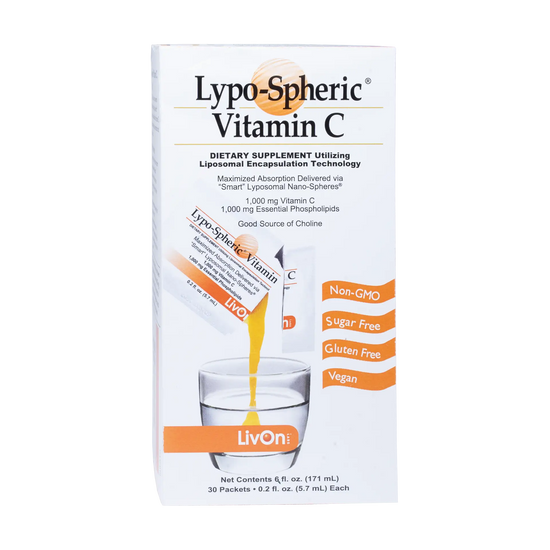
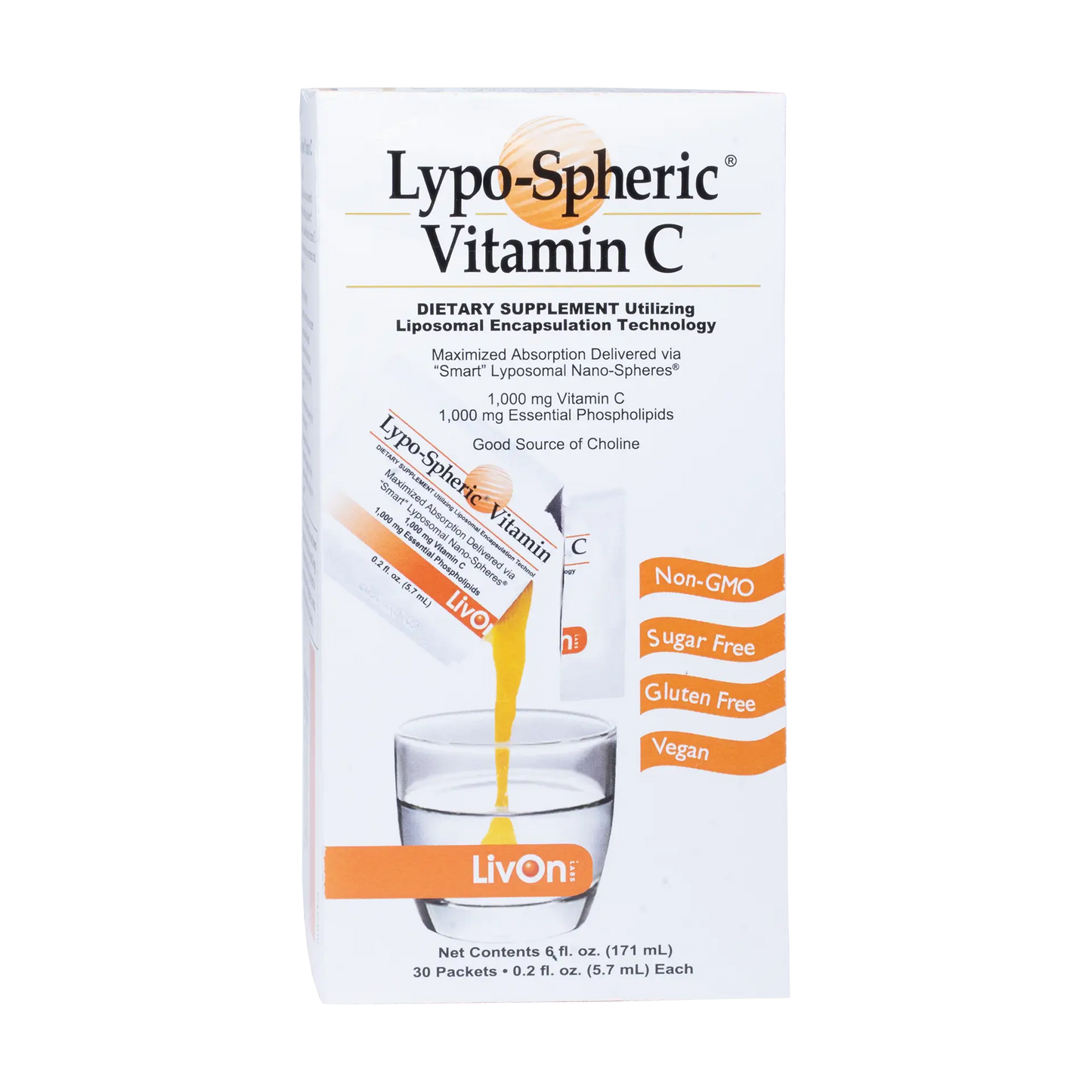
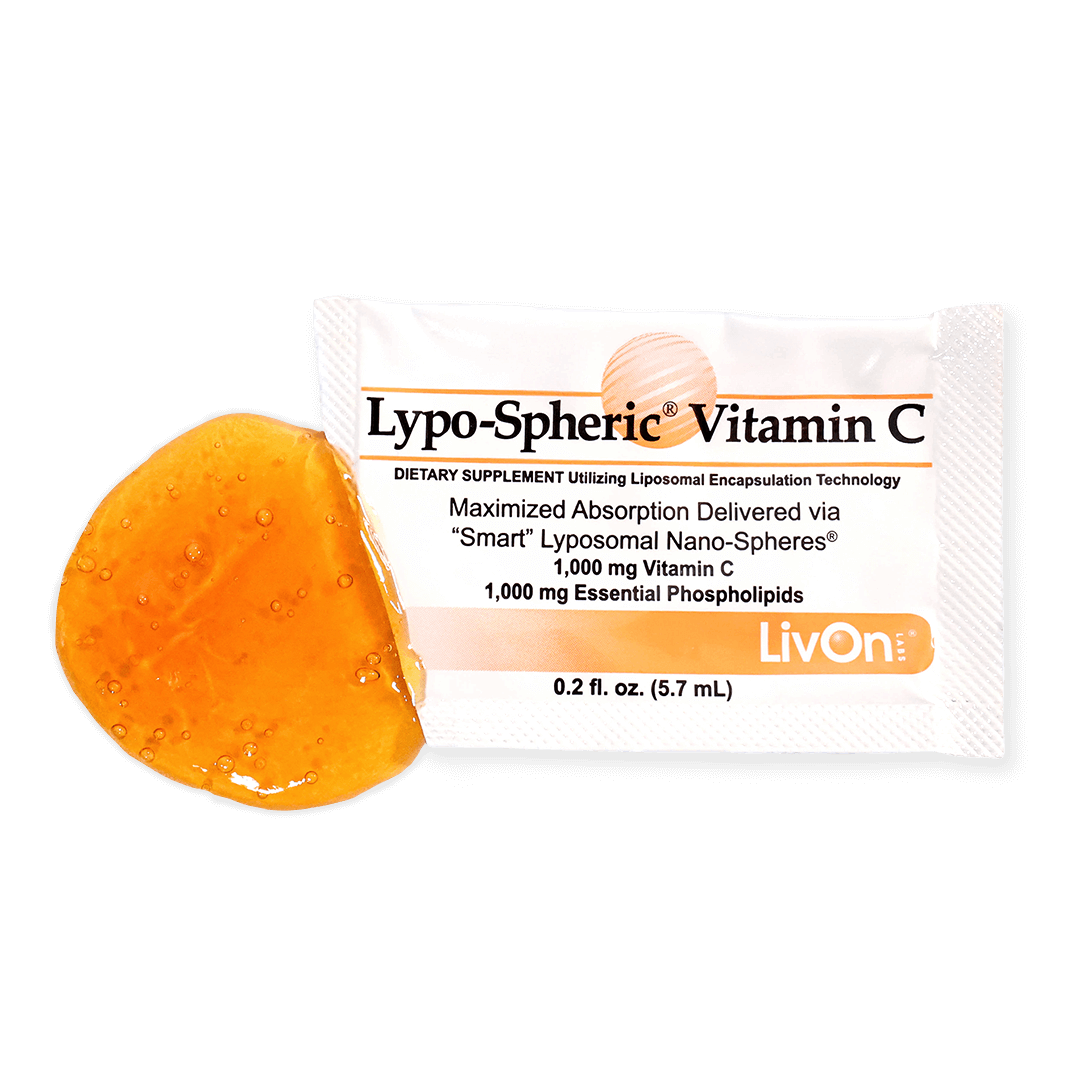
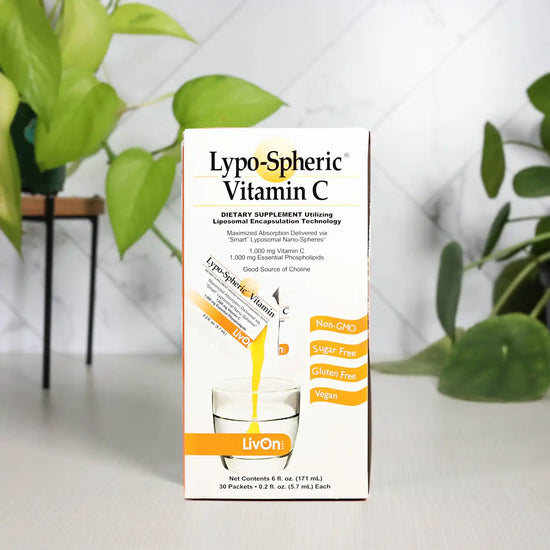
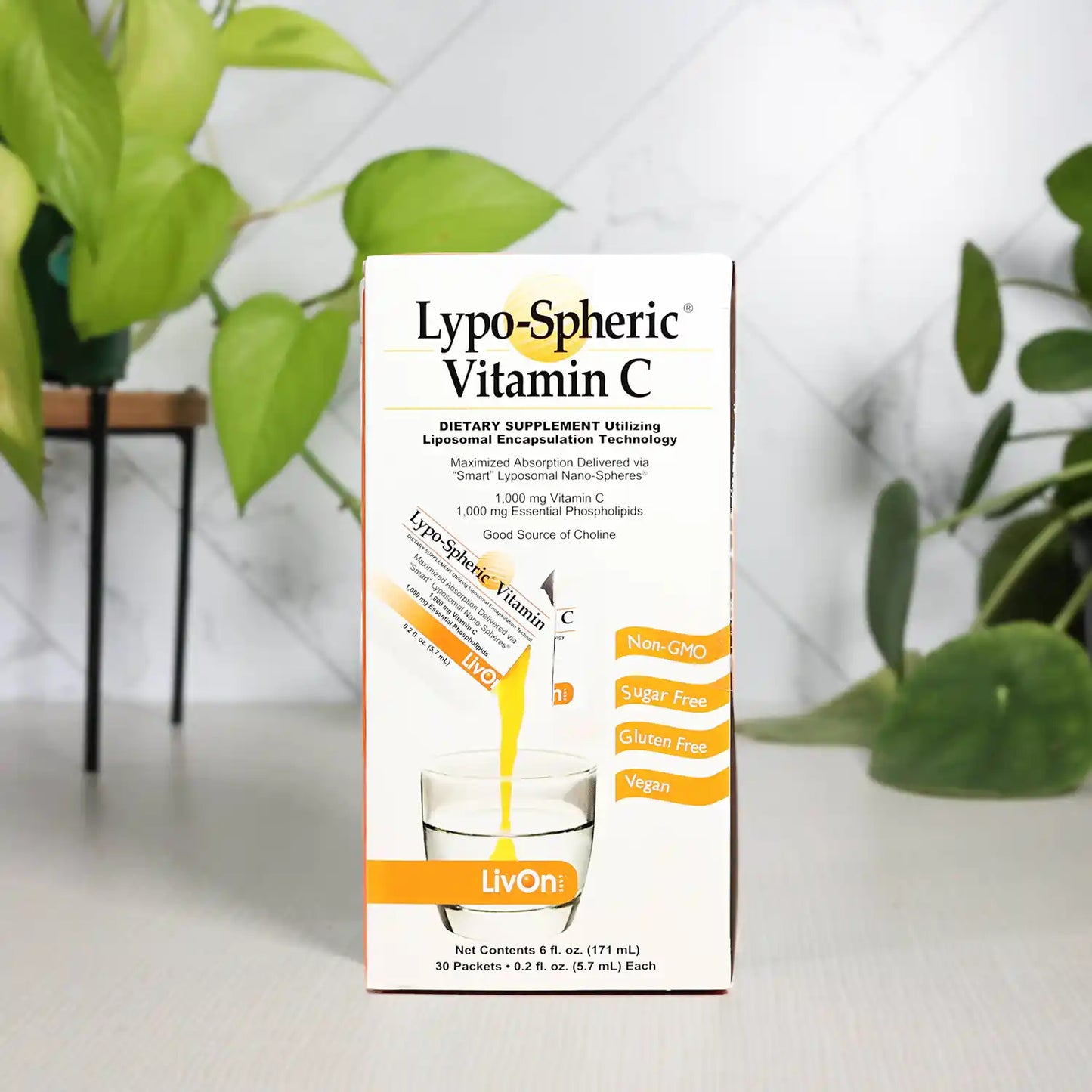
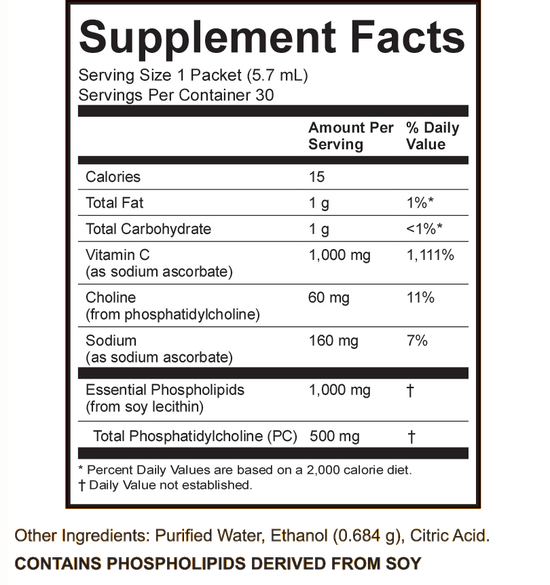
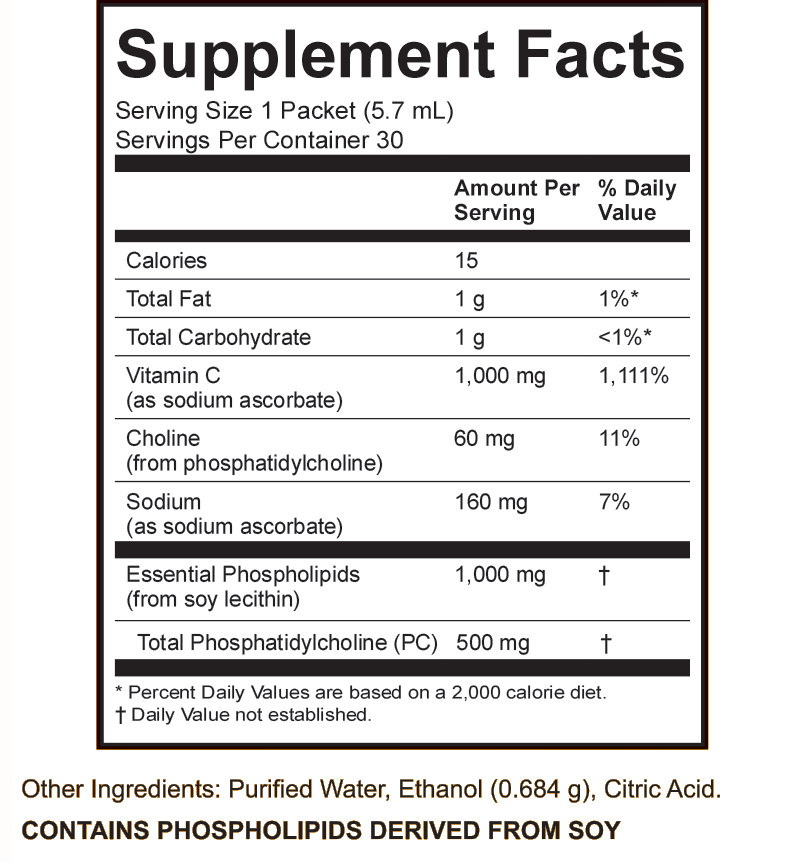
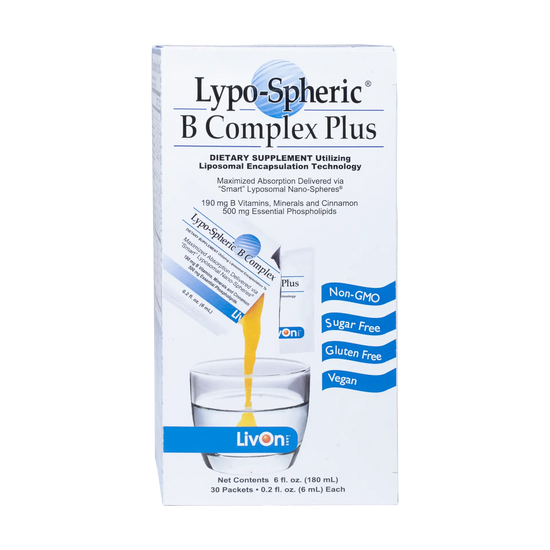
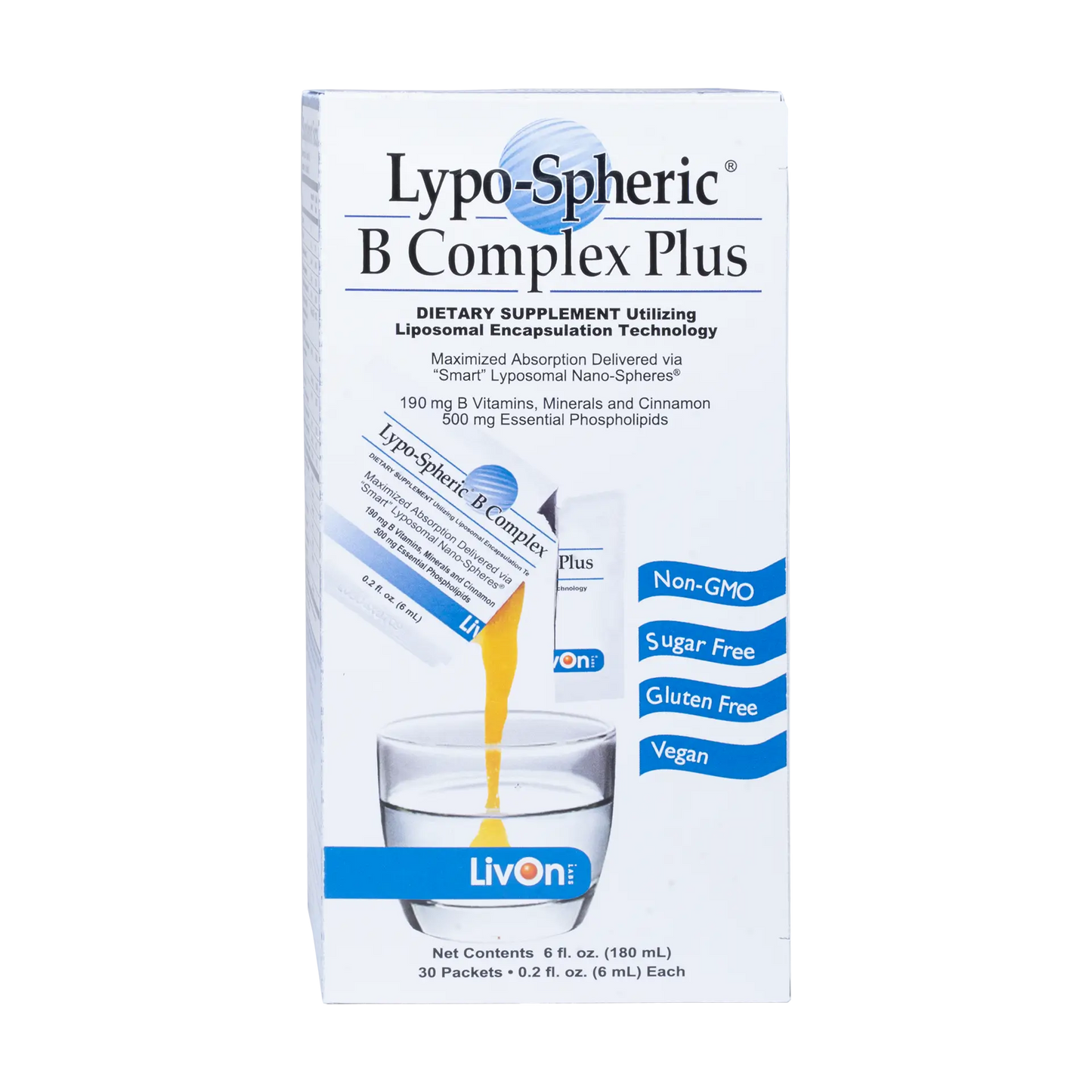
Lypo Spheric Vitamin C

Health Information About The Vitamin C Supplement

The Impact of Vitamin C on Hypertension, Cataracts and Whooping Cough

vitamin c and cataracts Here’s our weekly recap on the news of vitamin C. Today we bring you more on the benefits of abscorbic acid and its ability to decrease blood pressure, its relationship with cataracts and how vitamin C plays into the vaccination controversy.

More on Vitamin C and blood pressure.

Last week, we brought you a preliminary report on a study that is getting widespread coverage on how vitamin C supplementation can decrease both systolic and diastolic blood pressure by as much as three points. While the study was short-term, the results showed promise, especially in light of this quote from researcher Edgar “Pete” R. Miller III, MD, PhD:

“Although our review found only a moderate impact on blood pressure, if the entire U.S. population lowered blood pressure by 3 [points], there would be a lot fewer strokes.”

This is good news for the nearly one in three Americans dealing with hypertension. Miller’s research did not call for vitamin C as an alternative to blood pressure medication and lifestyle changes, but the research supports the use of vitamin C as a supplement to battle HBP.

Vitamin C and cataracts – the facts.

A report from WWLP.com rehashed some research that we found rather interesting related to vitamin C and eye health. Registered dietician Nancy Dell reports that if you take vitamin C supplements (low-dosage) for 10 years, your risk of cataracts is lowered by about 80%. The key is the 10 years and lower dosage (enough to “saturate” the eye – 150 to 250 mg).

Now, this information came from a couple of studies, so we did a search and found a 2009 study that says the higher dosages (1,000 mg or more per day) can actually increase the risk of cataracts.

While the study reported some correlations, the researchers did not give reason for the increased occurrence of cataracts, other than it appeared in women who took ascorbic acid and in some cases hormone-replacement therapy.

The Linus Pauling Institute on Micronutrients Research for Optimum Health reports that there’s not really enough research to decide one way or another whether vitamin C can increase or decrease cataract risk. The LPI reports that: “Decreased vitamin C levels in the lens of the eye have been associated with increased severity of cataracts in humans. Some, but not all, studies have observed increased dietary vitamin C intake and increased blood levels of vitamin C to be associated with decreased risk of cataracts.
The bottom line: More research is needed in this area before a clear declaration can be made.
Vitamin C and the vaccination controversy. 

There’s an article circulating on social networks about a teen mom’s baby who died from whooping cough. The teen mom and dad are now speaking out on the importance of vaccination (the mother was not up-to-date on the shots).

Pertussis or whooping cough is extremely dangerous to newborns and Chelsea Charles’ baby died from this illness in August.

In our regular news search, we came across a mommy board that pointed to an article from Dr. Suzanne Humphries, a conventionally trained doctor who specializes in non-toxic treatment of illness and disease. She writes in an article at the Vaccination Council (an association of doctors, nurses and other qualified medical professionals whose purpose is to counter the messages asserted by pharmaceutical companies, the government and medical agencies that vaccines are safe, effective and harmless) that vitamin C is the most effective treatment of pertussis in children and adults.

Humphries gives a compelling argument for the treatment of whooping cough with vitamin C in her paper and says this of the vaccination:

“The reason we doctors were never taught about therapeutic doses of vitamin C in medical school, is that if they had taught us about it, then not only would a raft of other drugs have been unnecessary, but they wouldn’t be able to use meningococcal complications and deaths as emotional blackmail to get people to vaccinate, because people wouldn’t be scared of gram-negative infections [N. meningitides and H. influenza (Hib)] any more.”

Humphries continues to outline her argument against the vaccination and the proper treatment and care with vitamin C for 14 pages. It’s well worth the read.

While we can’t endorse any specific treatments as sellers of liposomal vitamin C, we found this alternative to vaccination worth the read and encourage our readers to get both sides of the story before starting a treatment regimen for any illness.

*These statements have not been evaluated by the Food and Drug Administration. This product is not intended to diagnose, treat, cure or prevent any disease.

Share

Recent Vitamin C News You May Have Missed

vitamin c newsWelcome to our new weekly recap of all the recent vitamin C news you may have missed. This week we have news on how vitamin C may reduce blood presssure (a new study) and an update on vitamin C and skin care.

Short-term use of Vitamin C supplementation lowers blood pressure. 

A recent study by researchers at the Johns Hopkins School of Medicine shows that taking vitamin C supplements for a short period of time can reduce both types of blood pressure – systolic (top number) and diastolic (bottom number) by 3.84 mm Hg and 1.67 mm Hg, respectively.

The trial participants were given a dosage of about 500 milligrams per day. The researchers concluded that the increased “vitamin C intake, vitamin C supplementation and higher serum vitamin C are all associated with lower blood pressure.” Additionally, the researchers concluded that longer-term studies are needed. Fans of Dr. Linus Pauling believe this research already exists. He recommends that people in their 50s take up to 5,000 mg per day for health benefits that include promoting wound healing, protecting against cancer and aiding in the health of diabetes and heart patients, reports FoodConsumer.org.
For more information on Dr. Pauling’s research, we recommend Dr. Thomas Levy’s book Curing the Incurable: Vitamin C, Infections and Toxins.

Vitamin C can reduce your wrinkles.

Touted as the skincare industry’s newest miracle, vitamin C has long been known to be great for your skin. In fact, it’s required. Your body needs vitamin C to form collagen and elastin (the two requirements for younger-looking skin).

In addition to helping you build new collagen and elastin, vitamin C is considered one of the most powerful antioxidants. It helps protect and reverse the damage of everyday life including sun exposure, pollution and poor nutrition, reports the Daily Mail.

If you watch the newer skin care commercials, you’ll notice marketing language around vitamin C as a “spot remover.” Ascorbic acid (vitamin C’s technical name) blocks the enzyme (tyrosinase), which causes the dark spots, according to this article. So, can our skin benefit from the popular liposomal vitamin C (vitamin C encapsulated in a lipid casing that bypasses the gastric barrier to get into the bloodstream faster and without the side effects)?

The Linus Pauling Institute at Oregon State University has this to say on this topic:

“Vitamin C in the skin is normally transported from the bloodstream…Oral supplementation with vitamin C effectively increases vitamin C levels in the skin. However, when plasma vitamin C levels are saturated, skin vitamin C concentrations no longer increase. Optimum skin concentrations of the vitamin are not yet known.”

That analysis points to why there may be a drive to use a topical instance of vitamin C on the skin or to use a skin care product that includes this powerful antioxidant.

Next Steps: Stay tuned to our blog for more vitamin C updates or subscribe to our newsletter.

Share